Healthy gums are the foundation of a healthy smile. They help support your teeth, protect the sensitive structures underneath and contribute to your overall oral health. While professional dental cleanings are essential, the tools you use at home can make a major difference in preventing plaque buildup and keeping your gums healthy.
With so many toothbrushes, flossers and specialty products available, how do you know which ones are right for you? Here are some of the best tools for gum care and what to consider when choosing them.
Start With a Soft-Bristled Toothbrush
A soft-bristled toothbrush is one of the most important tools for daily gum care. Medium and hard bristles may seem like they provide a deeper clean, but brushing too aggressively can irritate the gums and contribute to enamel wear or gum recession.
Choose a toothbrush with a head that fits comfortably inside your mouth and allows you to reach your back teeth. When brushing, hold the toothbrush at approximately a 45-degree angle toward the gumline. Use gentle, short movements instead of forceful scrubbing.
Brush twice a day for two minutes using fluoride toothpaste. Remember that more pressure does not necessarily mean a better clean. Gentle and thorough brushing is much more effective for protecting your gums.
Manual or Electric Toothbrush?
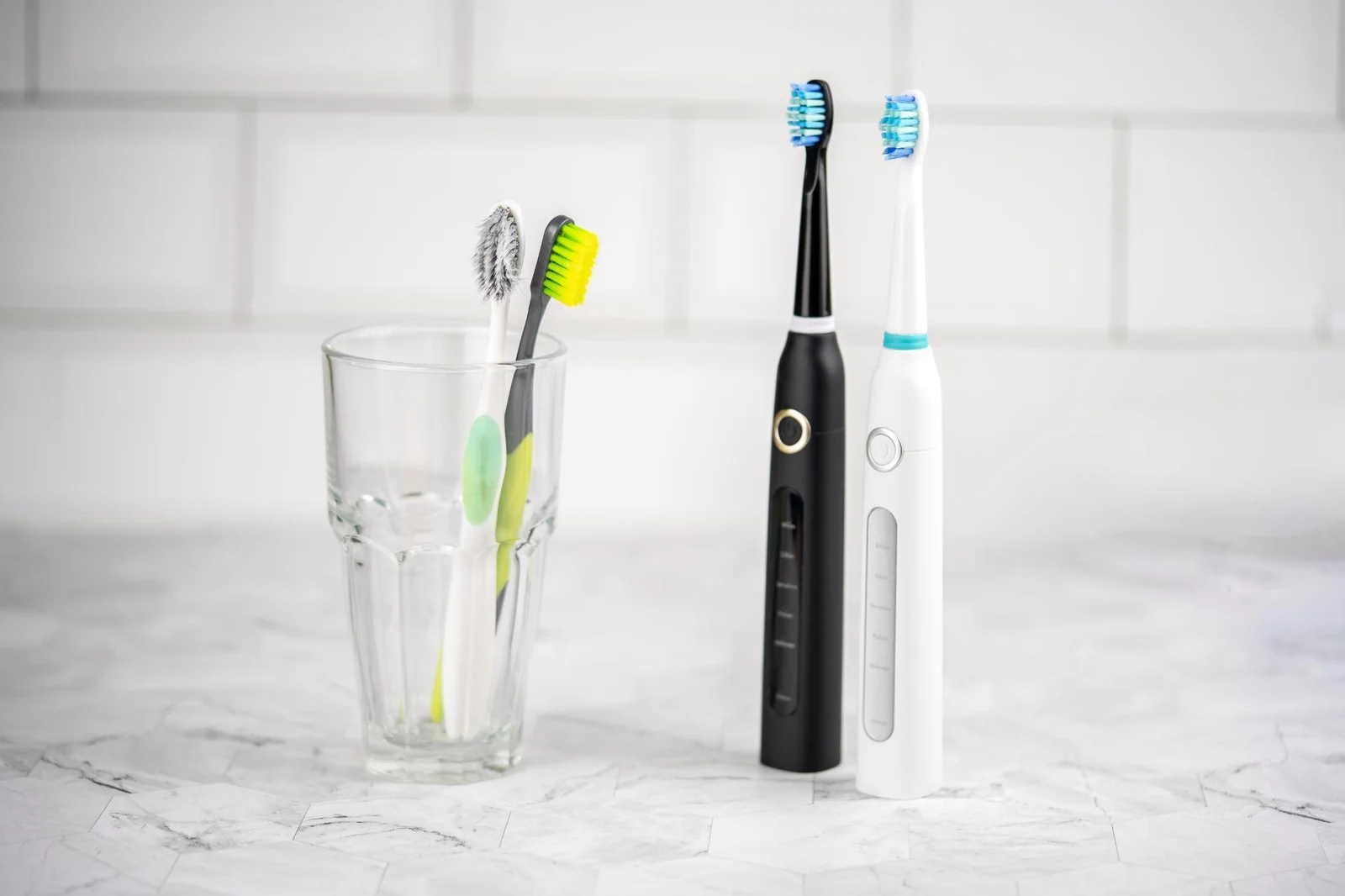
Both manual and electric toothbrushes can effectively remove plaque when used correctly. The best option is usually the one that helps you brush consistently and thoroughly.
A manual toothbrush is affordable, portable and easy to use. It can be an excellent choice for someone with good brushing technique who does not need additional assistance.
An electric toothbrush may be helpful for people who:
- Struggle to brush for a full two minutes
- Have limited hand or wrist movement
- Tend to brush too hard
- Have braces or other dental appliances
- Frequently miss certain areas of their mouth
When choosing an electric toothbrush for gum care, look for soft bristles, a built-in two-minute timer and a pressure sensor. A pressure sensor can alert you when you are pressing too firmly against your teeth and gums. Expensive features are optional. The quality of your daily routine matters more than the price of the toothbrush.
Dental Floss
A toothbrush cannot fully clean the areas between your teeth. Dental floss reaches these spaces and removes plaque that can irritate the gums.
Gently guide the floss between your teeth without snapping it into the gums. Curve it into a C shape against the side of each tooth and move it carefully up and down. Be sure to clean both sides of every space.
Waxed floss may slide more easily between tightly spaced teeth, while dental tape can feel more comfortable for people with slightly wider spaces. The best floss is the type you can use comfortably and consistently.
Interdental Brushes
Interdental brushes are small brushes designed to clean between the teeth. They may be especially useful for people with braces, bridges, implants, gum recession or larger spaces between their teeth.
These brushes are available in several sizes. A brush should fit comfortably between the teeth without being forced. If it is too small, it may not clean the area effectively. If it is too large, it may irritate the gums.
Your dental team can help you choose the correct size and demonstrate how to use it safely.
Water Flossers
A water flosser uses a controlled stream of water to clean between the teeth and around the gumline. It can be a helpful option for people who have difficulty using traditional floss or who have braces, bridges, implants or limited hand mobility.
Water flossers that have earned the ADA Seal of Acceptance have been shown to help reduce gingivitis, the earliest stage of gum disease. Start with a low pressure setting and gradually adjust it to a comfortable level. Aim the stream along the gumline and between each tooth.
A water flosser can be a valuable part of your routine, but it should be used thoroughly and consistently. Ask your dentist whether it should replace string floss in your specific routine or be used alongside another interdental cleaner.
Floss Picks and Floss Holders
Floss picks can make cleaning between the teeth easier when traditional floss feels difficult to control. They are also convenient for travel or quick cleaning away from home.
Move the floss gently around the side of each tooth instead of simply pushing it between the teeth and pulling it back out. Use a clean section when possible, and rinse or replace the pick as debris collects.
Floss holders with longer handles may offer better control for people with limited dexterity or difficulty reaching the back of the mouth.
Orthodontic Flossers and Floss Threaders
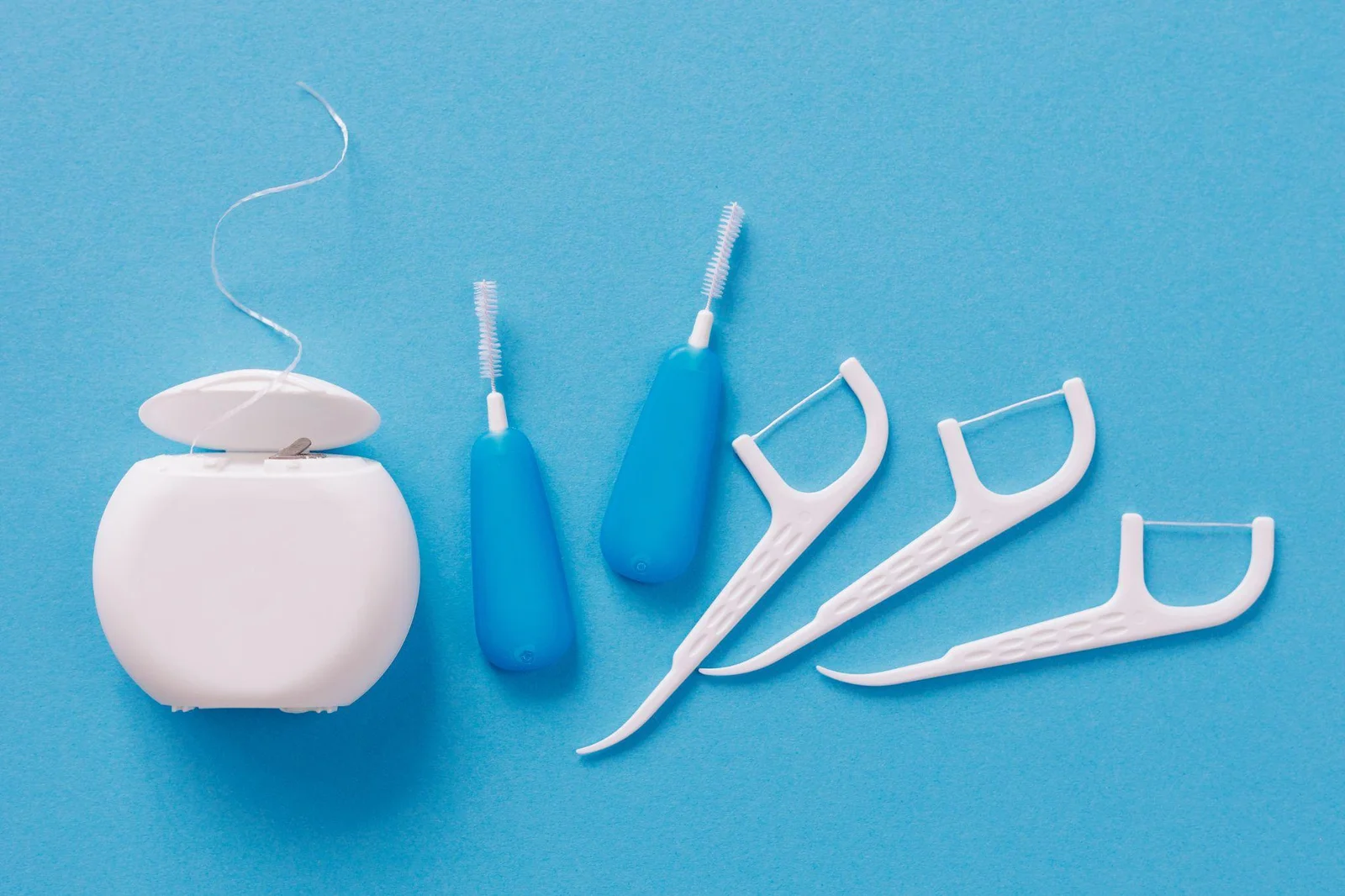
Cleaning around braces, permanent retainers and dental bridges may require a specialized tool. Orthodontic flossers and floss threaders help guide floss underneath wires or dental work so plaque can be removed from areas a toothbrush cannot reach.
An interdental brush or water flosser may also make cleaning around brackets and wires easier. However, these tools should be used carefully to avoid damaging orthodontic appliances.
Antimicrobial Mouthwash
Mouthwash can support a complete gum-care routine, but it should not replace brushing or cleaning between the teeth. Some rinses are designed to help reduce plaque and gingivitis, while others mainly freshen breath.
Look for the ADA Seal of Acceptance and follow the instructions on the label. Certain medicated rinses may be recommended or prescribed for specific gum conditions. If you experience sensitivity, dry mouth or irritation, ask your dental team which type of rinse is appropriate for you.
When Should You Replace Your Toothbrush?
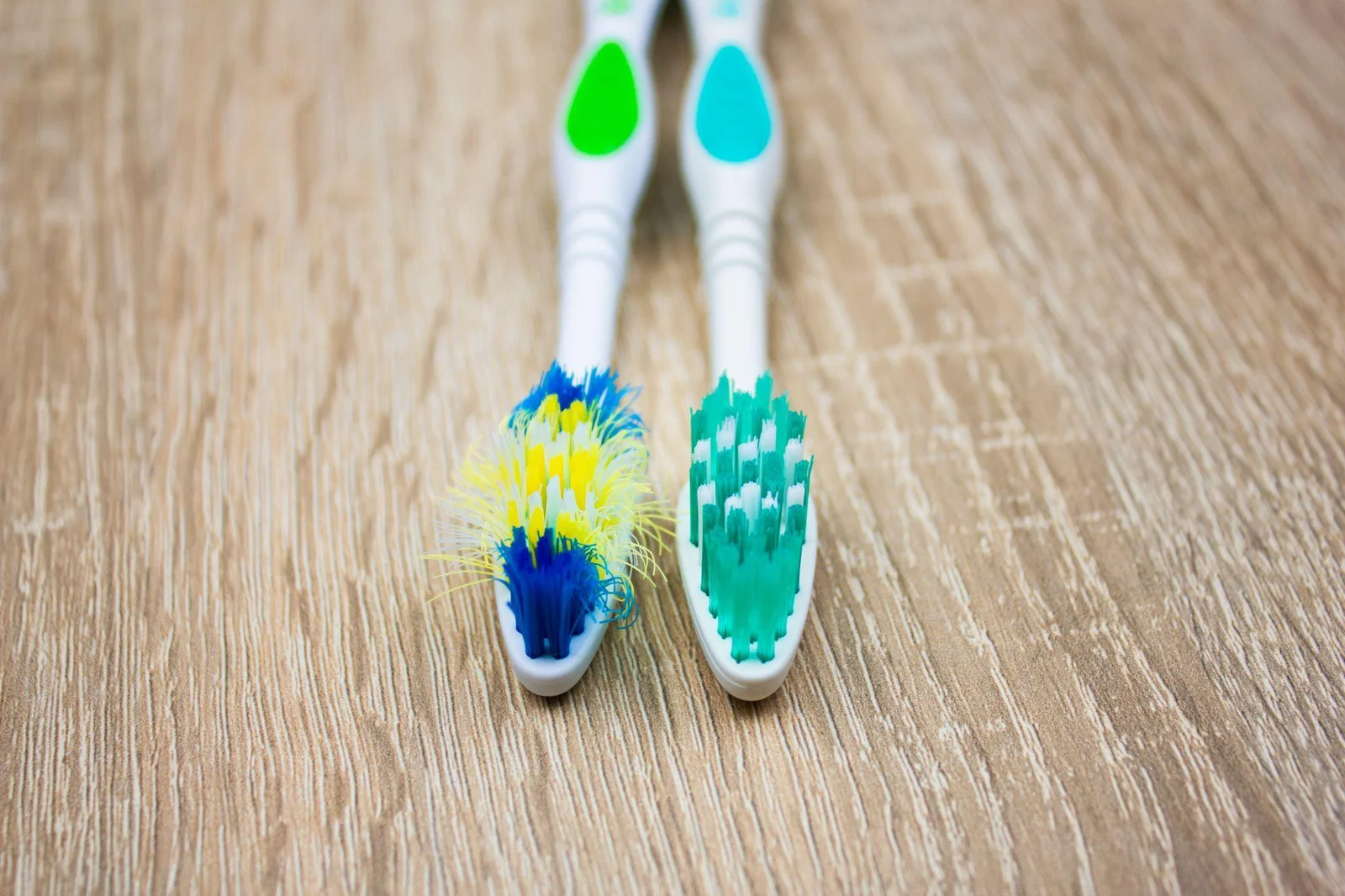
Replace a manual toothbrush or electric brush head approximately every three to four months, or sooner if the bristles become frayed or bent. Worn bristles may not remove plaque as effectively.
If your bristles begin spreading after only a few weeks, you may be brushing with too much pressure. Consider using a lighter touch or choosing an electric toothbrush with a pressure sensor.
After brushing, rinse the toothbrush thoroughly and allow it to air-dry in an upright position. Do not share toothbrushes.
The Best Tool Is the One That Fits Your Needs
There is no single toothbrush or gum-care tool that is ideal for everyone. Tooth spacing, orthodontic appliances, dental restorations, hand mobility and the condition of your gums can all affect which products will work best.
A simple daily routine should include:
- Brushing twice a day for two minutes
- Using fluoride toothpaste
- Cleaning between the teeth every day
- Replacing worn toothbrushes or brush heads
- Attending regular dental examinations and professional cleanings
Bleeding gums should not be ignored. Occasional bleeding may happen when someone begins cleaning an area more thoroughly, but persistent bleeding, swelling, tenderness, gum recession, bad breath or loose teeth can be signs of gum disease.
At DentalPros, our team can evaluate your gums, review your brushing technique and recommend the right tools for your individual smile. Schedule an appointment with us to learn how a personalized home-care routine can help protect your gums and teeth for years to come.